

A hernia occurs when an organ or fatty tissue squeezes through a weak spot in a surrounding muscle or connective tissue called fascia. The most common types of hernia are inguinal (inner groin), incisional (resulting from an incision), femoral (outer groin), umbilical (belly button), and hiatal (upper stomach). Hernias don’t go away by themselves. Surgery is the only way to repair a hernia. A hernia repair returns the organ or structure to its proper place and fixes the weakened area of muscle or tissue. Most of the time, having a surgery is a big decision. It can be tempting to...
News
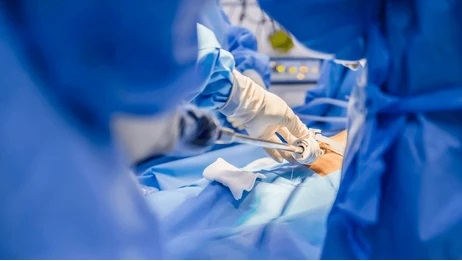
Importance of Critical View of Safety in Laparoscopic Cholecystectomy
The critical view of safety (CVS) is a surgical technique that was developed to help reduce the risk of complications during laparoscopic cholecystectomy, which is the removal of the gallbladder using minimally invasive techniques. CVS involves ensuring a clear and unobstructed view of the anatomical structures of the gallbladder, including the cystic duct and the cystic artery, before proceeding with their dissection and division. The three components of the CVS are: Visualization of the cystic duct and artery: The surgeon must clearly visualize both the cystic duct and cystic artery before they are clipped and divided. Dissection of the gallbladder...
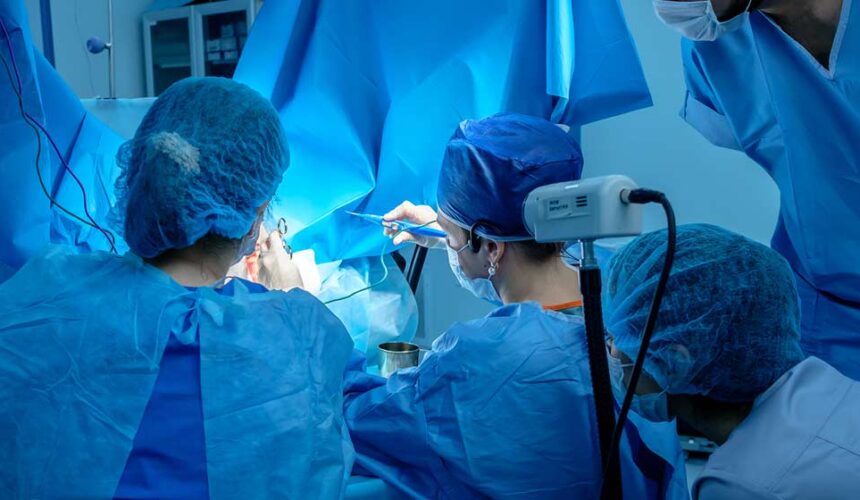
Everything You Need to Know About Colorectal Surgery
Colorectal cancer is among the top five types of cancer diagnosed in the U.S.In 2022, about 106,000 new cases of colon cancer, and nearly 45,000 new cases of rectal cancer, will occur nationwide, according to American Cancer Society estimates. Although older adults are more likely to develop colorectal cancer, cases are increasing among younger adults. Surgery is the primary treatment for colorectal cancer. Fortunately, screening and early symptom recognition can lead to a successful surgery and a cure. Colorectal Cancer Colorectal cancer involves tumors in the colon, rectum or both. It’s detected mainly through colonoscopy screening or when symptoms...